Team Quantum Heart Wins NIH Prize for Innovation

https://datascience.nih.gov/tools-and-analytics/quantum-computing-new-frontiers-biomedical-research-innovation-lab

Last December, I had the incredible opportunity to be part of something truly special. The NIH Office of Data Science Strategy (ODSS) and the National Cancer Institute (NCI) gathered 27 of us from wildly different fields for a five-day Innovation Lab. The goal? To answer a question that sounds like science fiction: How can quantum computing solve today’s most complex biomedical challenges?

The room buzzed with a vibrant mix of quantum physicists, computer scientists (both quantum and traditional computing), computational physicists, computational biologists, data scientists, and biomedical researchers. For five intense days, we were immersed in a whirlwind of collaboration, brainstorming, and problem-solving. The energy was electric as we united to bridge the gap between our disciplines and forge new paths for the future of medicine.

To catalyze our efforts, the NIH sponsored a challenge prize competition, dedicating $100,000 to the most promising projects developed during the lab. It wasn’t just about the funding; it was a powerful validation of the ideas born from this unique collaborative environment.

Our Journey: Team Quantum Heart

I am thrilled to announce that my team, Team Quantum Heart, was one of the three teams to receive the top prize of $25,000. Our project seeks to revolutionize the existing clinical decision-making framework by leveraging the unique strengths of quantum computing. It was a privilege to collaborate with the team:

  • Iman Borazjani, PhD, from Texas A&M University, Team leader
  • Wookjin Choi, PhD, from Sidney Kimmel Medical College at Thomas Jefferson University
  • Jiaqi (Jimmy) Leng, PhD, from the University of California, Berkeley
  • Zhenhua Jiang, PhD, from the University of Dayton Research Institute

Together, our diverse expertise in medical physics, AI, fluid simulations, and quantum algorithms allowed us to develop a concept we believe can make a real-world impact on patient care. This prize is not just an award; it’s the fuel that will help us propel our research forward.

The Road Ahead

Leaving the Innovation Lab, I felt a profound sense of optimism. This event was more than just a competition; it was the formation of a new community. The connections made and the ideas sparked over those five days have laid the groundwork for years of future research.

The convergence of quantum computing and biomedical science is no longer a distant dream. It is happening now, and I am honored to be a part of it. On behalf of Team Quantum Heart, thank you to the NIH for this incredible opportunity.

Empowering Cancer Care with AI: A Jefferson Medical Student–Led Innovation

I’m excited to share a new collaborative study I had the privilege of co-authoring, which was recently published in Nutrients. Led by Jefferson medical student Julia Logan, this work explores how large language models (LLMs) like ChatGPT and Gemini can deliver accessible, culturally sensitive dietary advice to cancer patients—many of whom lack access to professional nutritional counseling due to insurance limitations or socioeconomic barriers.

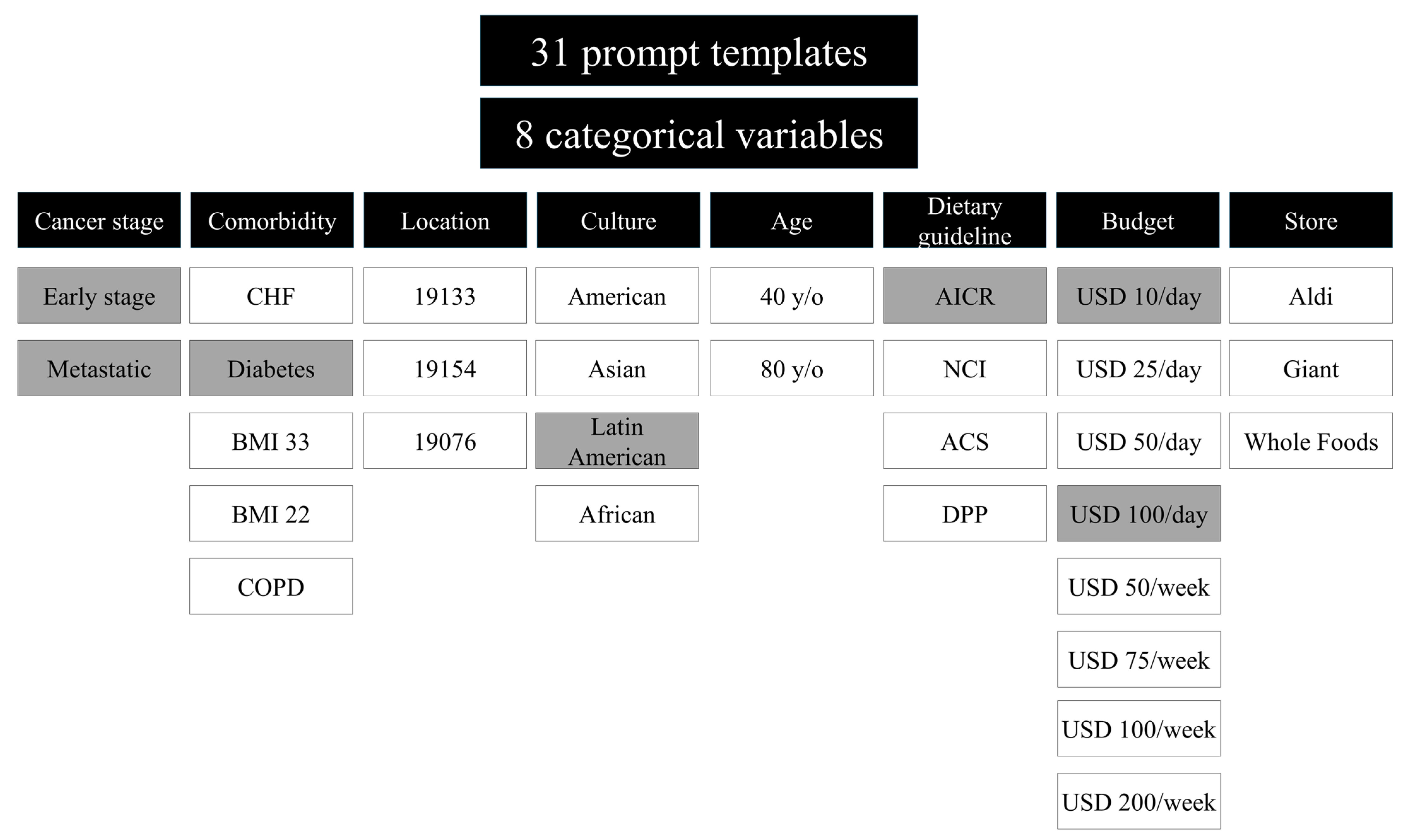
A schematic of LLM prompts designed to evaluate the dietary recommendations generated by ChatGPT and Gemini. A total of 31 zero-shot prompt templates with prompt variations within 8 categorical variables, including cancer stage, comorbidity, location, culture, age, dietary guideline, budget, and store, are shown. One variable was changed in each prompt. Seven of these prompts were selected (highlighted in gray) and four dietitians also responded to them.

Working alongside colleagues from the Department of Radiation Oncology at Jefferson, we investigated whether AI tools could generate meal plans tailored to variables like location, budget, and cultural dietary preferences. While LLMs aren’t perfect, they showed surprising promise—providing personalized grocery lists and meal suggestions that, in many cases, aligned closely with professional dietitian recommendations.

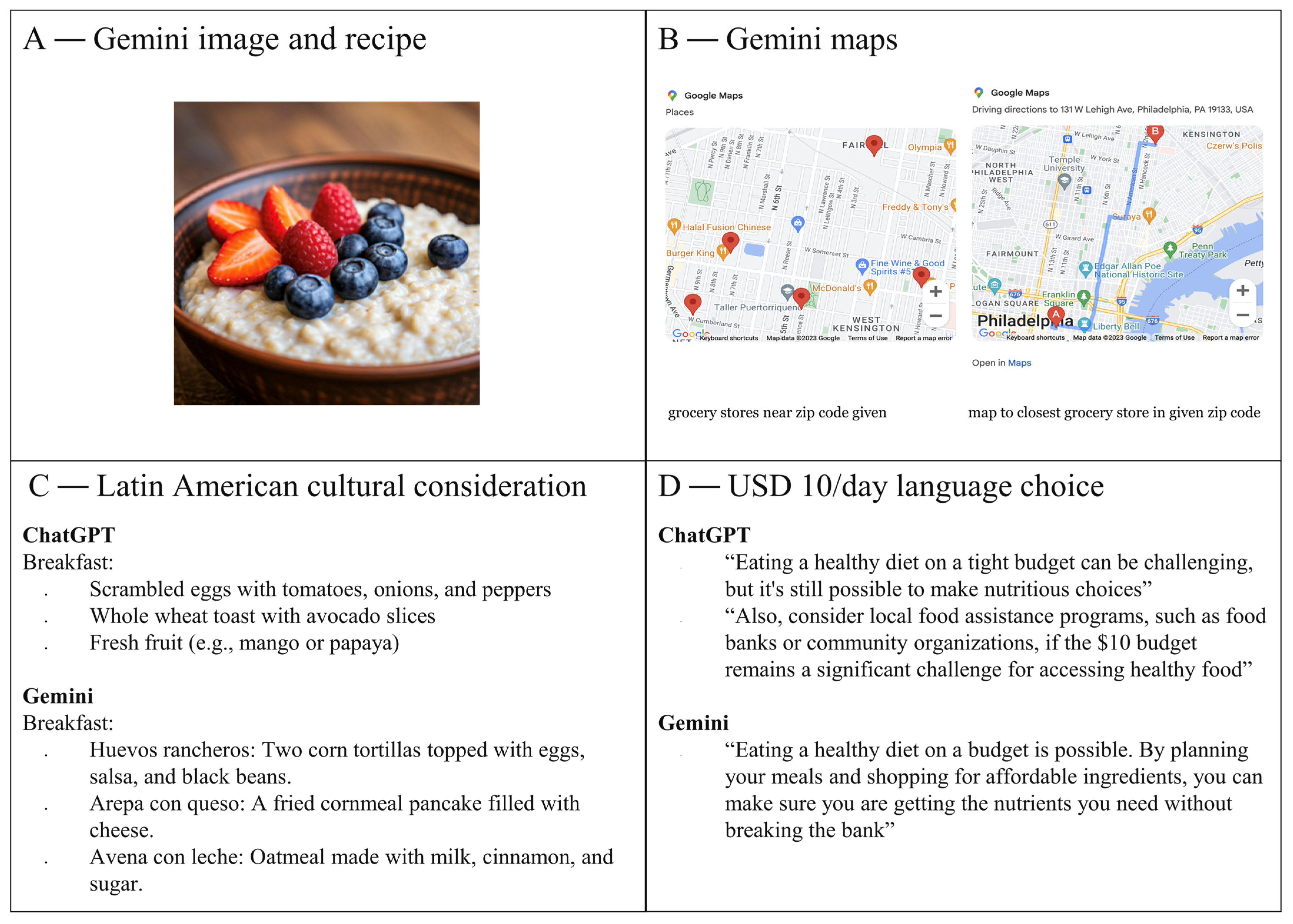
Qualitative observations of ChatGPT’s and Gemini’s responses. (A) Gemini provided photos with linked recipes for some meal plans. Panel (A) is an example of a Gemini-generated image comparable to the one provided, for copyright purposes. ChatGPT did not provide any photos or recipe links. (B) A map from Gemini showing all nearby grocery stores to the zip code specified and another map giving directions to the nearest grocery store. (C) A comparison of breakfast suggestions for Latin American cuisine between the two LLMs. (D) The response of both LLMs to the request for a budget of USD 10 for a day. ChatGPT used language such as “tight budget”, suggesting “food assistance programs”, while Gemini simply stated that it is possible to achieve a healthy diet.

This project highlights how AI, guided by clinician oversight, can serve as a scalable tool to reduce healthcare disparities and support cancer patients in managing their health more effectively.

🔗 Read the full paper here

AI-Powered Auto-Segmentation in Liver Cancer Therapy

We’re excited to share our latest work published in Technology in Cancer Research & Treatment: “Deep Learning-Based Auto-Segmentation for Liver Yttrium-90 Selective Internal Radiation Therapy” — a collaboration between Jun Li, Rani Anne, and myself.

This study introduces a deep learning (DL) model built on the 3D U-Net architecture, developed to automatically segment the liver in CT scans for patients undergoing Y-90 Selective Internal Radiation Therapy (SIRT). Accurate liver segmentation is a critical step for calculating Y-90 dosage, traditionally done manually — a time-consuming and subjective process.

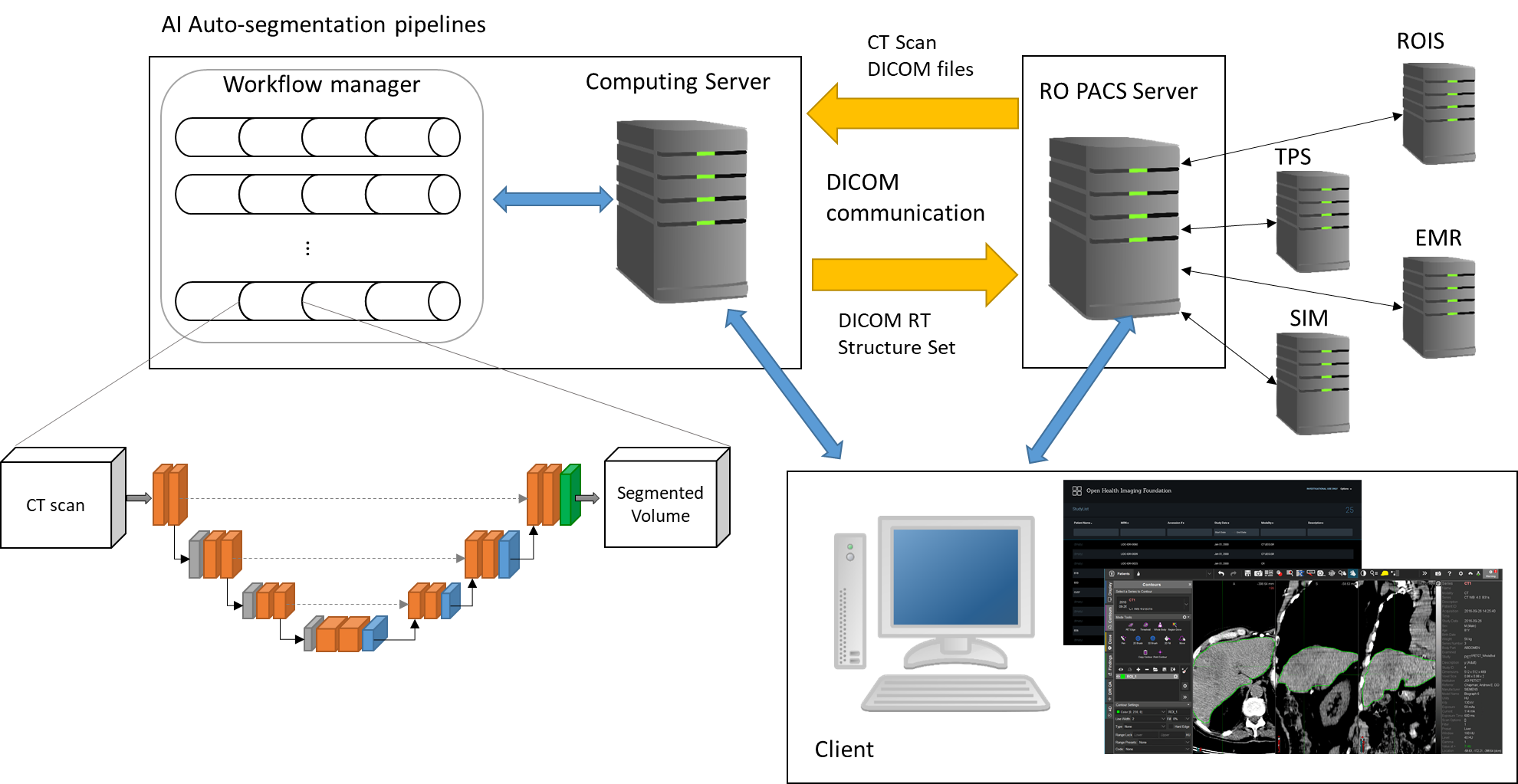
Schematic diagram of deep learning-based auto segmentation implementation for clinical use.

Our DL-based pipeline:

  • Outperformed Atlas-based methods (DSC: 0.94 vs. 0.83)
  • Achieved near-perfect agreement in dose calculation (RA ~1.00)
  • Was deployed clinically using a seamless DICOM workflow
  • Processed each case in under 2 minutes

This work demonstrates the clinical viability of AI-assisted planning in interventional radiology, particularly for liver-directed therapies.

🔗 Read the full paper here

Shining a Light: Unveiling Cardiac Risks Using PET Imaging in Lung Cancer Radiotherapy

Our study on cardiac toxicity in lung cancer treatment is now featured in a JCO CCI editorial. Discoveries that could change patient care are on the horizon. Stay tuned! #CardiacToxicity#LungCancer#Innovation

Shining a Light: Unveiling Cardiac Risks Using Positron Emission Tomography Imaging in Lung Cancer Radiotherapy

Shining a Light: Unveiling Cardiac Risks Using Positron Emission Tomography Imaging in Lung Cancer Radiotherapy

Exploring published and novel pre-treatment CT and PET radiomics to stratify risk of progression among early-stage non-small cell lung cancer patients treated with stereotactic radiation

Maria Thor 1,4, Kelly Fitzgerald 2,4, Aditya Apte 1, Jung Hun Oh 1, Aditi Iyer 1, Otasowie Odiase 2, Saad Nadeem 1, Ellen D. Yorke 1, Jamie Chaft 3, Abraham J. Wu 2, Michael Offin 3, Charles B Simone II 2, Isabel Preeshagul 3, Daphna Y. Gelblum 2, Daniel Gomez 2, Joseph O. Deasy 1, Andreas Rimner 2
1Department of Medical Physics, Memorial Sloan Kettering Cancer Center
2Department of Radiation Oncology, Memorial Sloan Kettering Cancer Center
3Department of Medicine, Memorial Sloan Kettering Cancer Center

https://doi.org/10.1016/j.radonc.2023.109983

This paper examines the critical issue of identifying patients at risk of disease progression after SBRT treatment. The occurrence of disease progression in a significant percentage of cases highlights the necessity for improved predictive tools. In this context, the study utilizes an innovative approach by integrating spiculation as a crucial radiomics feature in the analysis. Spiculation, a visually apparent pattern in imaging, has gained recognition for its potential as a prognostic indicator. By utilizing spiculation alongside other radiomics features, this study seeks to improve the precision and dependability of forecasts related to progression-free survival among early-stage NSCLC patients after SBRT. Incorporating spiculation into the radiomics framework is a noteworthy advance toward more personalized and effective therapeutic approaches for this patient cohort.

Highlights

  • Pre-treatment CT and PET features predict PFS to a larger extent than other non-image-based characteristics.
  • A re-fitted model based on the two most published CT and PET features (SUVmax and tumor diameter) predicted PFS with high accuracy (AUC=0.78)
  • The performance of a model built on novel CT and PET features did not supersede that of the re-fitted model based on SUVmax and diameter (AUC=0.75)

Deep Learning Segmentation for Accurate GTV and OAR Segmentation in MR-Guided Adaptive Radiotherapy for Pancreatic Cancer Patients

AAPM 2023, ASTRO 2023

Novel Functional Radiomics for Predicting Cardiotoxicity in Lung Cancer Radiotherapy using Cardiac FDG-PET Uptake

Our paper “Novel Functional Radiomics for Prediction of Cardiac Positron Emission Tomography Avidity in Lung Cancer Radiotherapy” has been published in JCO CCI. This research work delves into an innovative approach to predict clinical cardiac assessment using functional imaging.

Abstract:

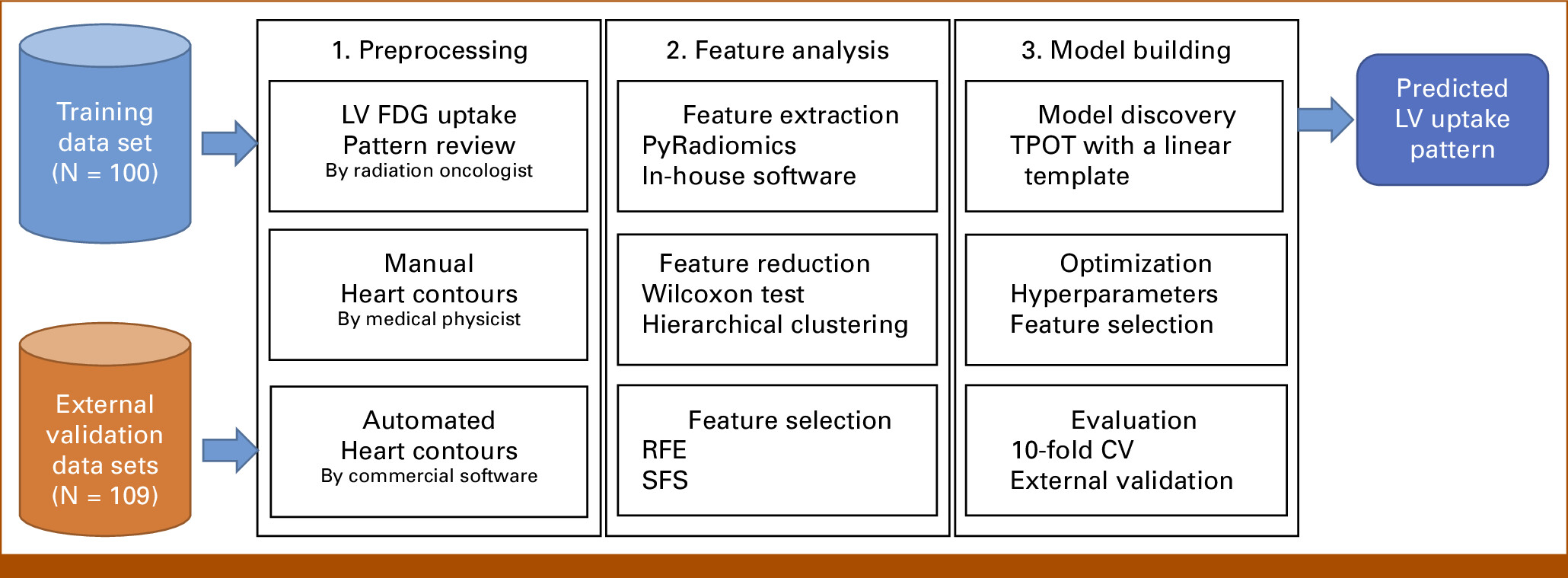
Traditional methods for evaluating cardiotoxicity primarily focus on radiation doses to the heart. However, functional imaging offers the potential to enhance early prediction of cardiotoxicity in lung cancer patients undergoing radiotherapy. In this context, Fluorine-18 (18F) fluorodeoxyglucose (FDG)-positron emission tomography (PET)/computed tomography (CT) imaging plays a crucial role. This study aims to develop a radiomics model that predicts clinical cardiac assessment using 18F-FDG PET/CT scans before thoracic radiation therapy.

Key Points:

  • Purpose: To create a radiomics model for predicting clinical cardiac assessment based on 18F-FDG PET/CT scans.
  • Methods: The study utilized pretreatment 18F-FDG PET/CT scans from three distinct study populations. These populations included two single-institutional protocols and one publicly available dataset.
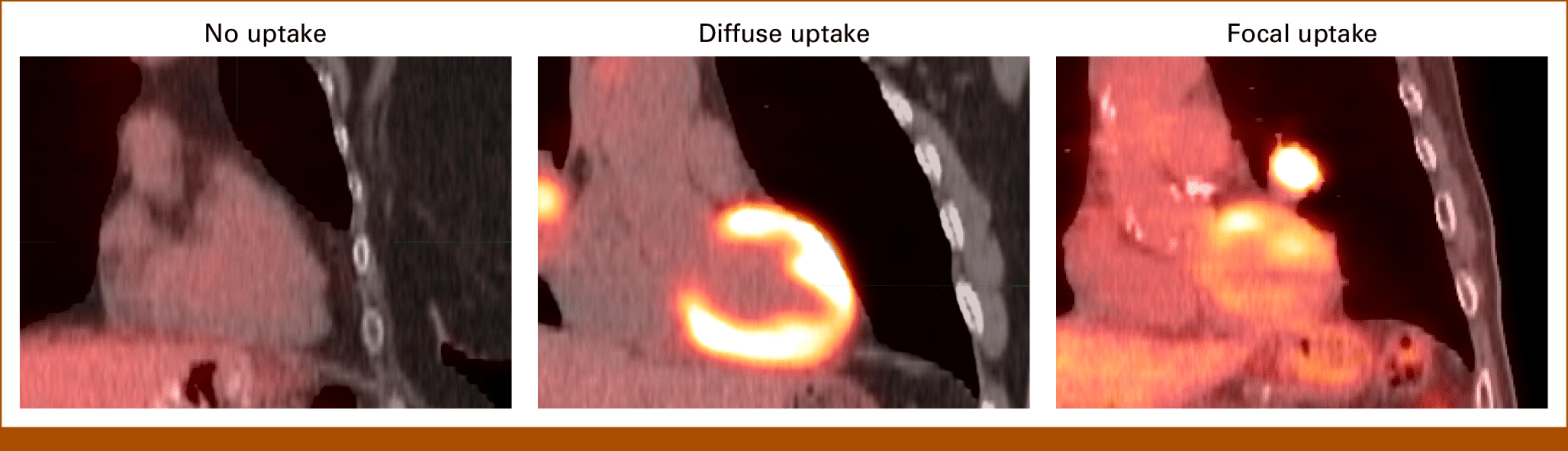
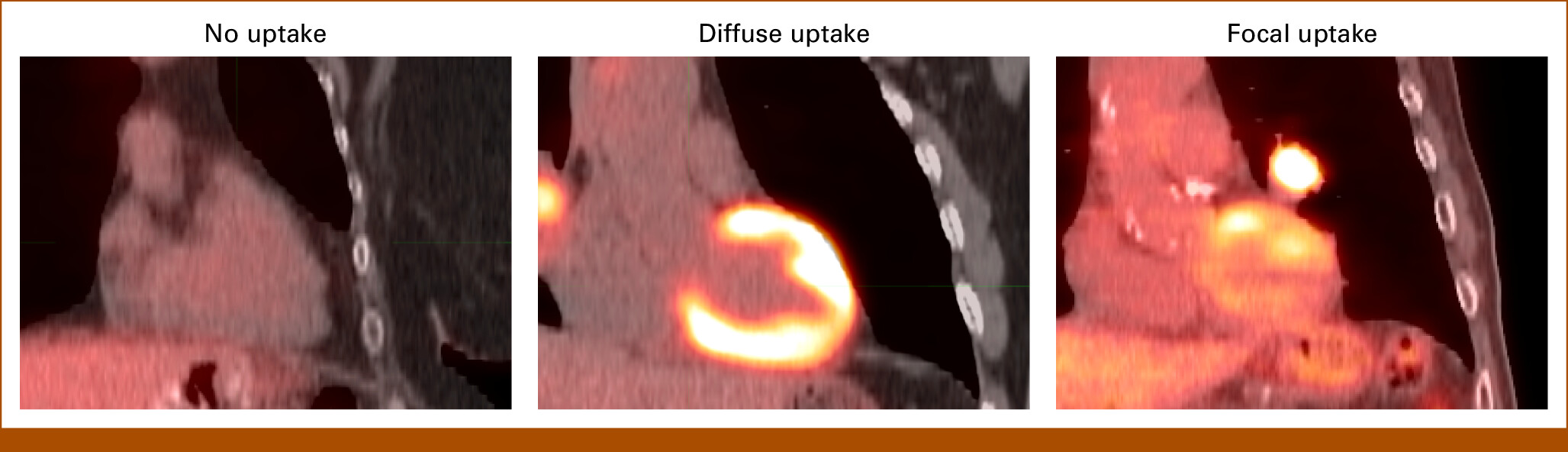
  • Clinical Classification: A clinician classified the PET/CT scans according to clinical cardiac guidelines, categorizing them as no uptake, diffuse uptake, or focal uptake.
  • Heart Delineation: The heart regions were delineated.
  • Novel Radiomics Features: A total of 210 novel functional radiomics features were selected to characterize cardiac FDG uptake patterns.

Results:

The results showed that out of 202 scans, cardiac FDG uptake was scored as no uptake (39.6%), diffuse uptake (25.3%), and focal uptake (35.1%). The researchers reduced sixty-two independent radiomics features to nine clinically pertinent features. The best model showed a predictive accuracy of 93% in the training data set and 80% and 92% in two external validation data sets.

Conclusion:

This study represents a significant advancement by developing and evaluating functional cardiac radiomic features from standard-of-care FDG PET/CT scans. The results demonstrate good predictive accuracy when compared to clinical imaging evaluation.

Feel free to explore the full paper in the JCO Clinical Cancer Informatics, Volume 8, available at this link.

Related Presentations

Functional Delta-Radiomics Overall Survival Prediction

Functional Radiomics Classification of Cardiac Uptake Patterns

https://www.abstractsonline.com/pp8/#!/10856/presentation/7201

2023 Accepted/Invited Annual Meeting abstracts

Longitudinal CBCT radiomics in Lung Cancer supported by Varian Medical Systems Inc.

Varian will support my research project entitled “Longitudinal CBCT radiomics analysis for lung cancer radiotherapy response and prognosis prediction” with $230,000 over 2 years. This is the first research grant from Varian to the Department of Radiation Oncology, Sidney Kimmel Medical College at Thomas Jefferson University. This project can potentially impact the clinical practice of lung cancer patients by using standard imaging modalities (CBCT and 4D-CBCT) to provide early prediction of prognosis and toxicity.

We will develop Jefferson Whole Lung CBCT radiomics framework that provides comprehensive lung analysis for early prediction of local control and normal tissue toxicity during lung radiation therapy. This project will provide predictive models for treatment response and prognosis using structural, morphologic, and functional radiomic features acquired during treatment with Varian CBCT imaging, as well as a unique opportunity to combine Varian technology (4D CBCT) with novel image processing techniques to acquire functional images. This project will also include a clinical study of the novel 4D functional CBCT imaging technique.

I am looking for a highly motivated postdoc to lead this project. If you are interested in working with us, please email me at “Wookjin.Choi@jefferson.edu.”